
Welcome to our in-depth guide on digital nomad nepal.
Nepal is no longer just a trekkers’ destination. In 2026, it has quietly become one of South Asia’s most compelling bases for digital nomads — combining dramatically low living costs, improving internet infrastructure, a warm and welcoming culture, and some of the most spectacular scenery on the planet.
This guide covers everything you need to know about living and working remotely in Nepal: the best cities, real cost breakdowns, coworking spaces, visa options, internet speeds, and honest tips from someone who knows the country.
Why Nepal for Digital Nomads in 2026?
Nepal sits at an interesting crossroads. It is affordable enough to extend your runway significantly — a comfortable nomad lifestyle costs $700 to $1,200 per month — while offering genuine culture, history, and outdoor adventure that purely ‘digital’ hub cities like Chiang Mai or Tbilisi cannot match.
Kathmandu has seen rapid infrastructure investment since 2022, and coworking culture is growing fast. For South Asian nomads in particular, Nepal offers easy visa access, cultural familiarity, and time zones that work well for clients in India, the Gulf, and Europe.
Best Cities for Digital Nomads in Nepal
Kathmandu
The capital is the obvious starting point. Kathmandu offers the best internet infrastructure, the widest range of coworking spaces and cafes, international food options, and strong transport connections including the only international airport.
The downside is air quality and traffic, particularly from October to April when temperature inversions trap pollution in the valley. Stay in Lazimpat, Jhamsikhel, or Patan (Lalitpur) for cleaner air and a quieter environment while staying close to amenities.
Pokhara
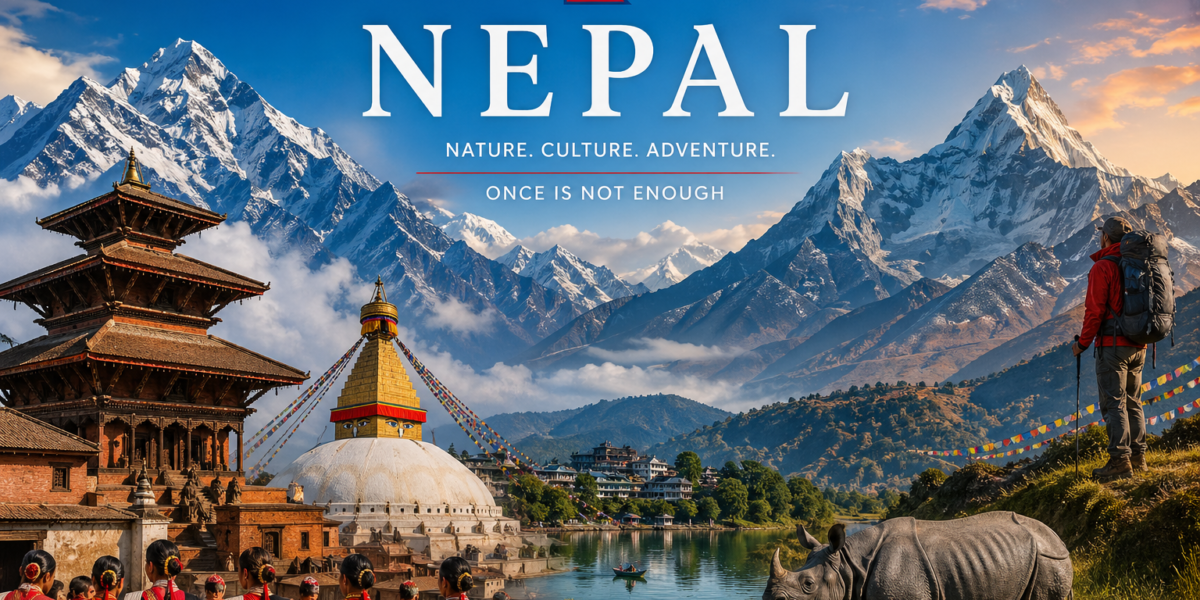
Pokhara is many nomads’ favourite city in Nepal. Set beside Phewa Lake with direct views of the Annapurna range, it is dramatically more relaxed than Kathmandu. Internet has improved significantly, and the Lakeside area has multiple cafes and coworking spaces catering to travellers and remote workers.
Pokhara is ideal for a one to three month stay if you want productive mornings, beautiful outdoor afternoons, and no city stress. Costs are slightly lower than Kathmandu.
Bandipur and Nagarkot
For those who can work with moderate internet and want complete focus, hill towns like Bandipur and Nagarkot offer extraordinary peace and views. These work best if you have async workflows and do not need daily video calls.
Cost of Living in Nepal for Digital Nomads
Nepal is one of the most affordable countries in Asia for nomads. Here is a realistic monthly budget:
- Rent (private room in shared house or studio): $150 to $350
- Food (mix of local restaurants and occasional western food): $150 to $300
- Coworking space or cafe budget: $50 to $150
- Transport (local buses, taxis, occasional Uber): $30 to $80
- SIM card with data: $5 to $15
- Health insurance (SafetyWing): $45 to $60
- Entertainment, activities, weekend treks: $100 to $200
Total comfortable budget: $700 to $1,200 per month. If you cook at home and live simply, $600 is achievable. If you eat out often and live in a nicer apartment, budget $1,400 to $1,500.
Internet Quality for Remote Work
Internet in Nepal has improved dramatically. In Kathmandu and Pokhara:
- Fibre connections in apartments and coworking spaces typically deliver 20 to 100 Mbps
- Coworking spaces like Karkhana and Bidhya Bhawan have dedicated stable connections
- Mobile data (NTC and Ncell) is reliable in urban areas with 4G coverage
- Load shedding (power cuts) is now rare in Kathmandu, but a power bank is still useful
Rural areas and trek routes have weaker connectivity. If you need reliable video calls daily, base yourself in Kathmandu or central Pokhara and avoid spending weeks in mountain villages during heavy workloads.
Visa Options for Digital Nomads in Nepal
Nepal does not currently have a dedicated digital nomad visa, but the standard tourist visa works well for most nomads:
- On-arrival tourist visa: 15, 30, or 90 days, extendable up to 150 days per year
- Cost: $25 for 15 days, $40 for 30 days, $100 for 90 days
- Extensions available at the Department of Immigration in Kathmandu or Pokhara
- You can stay up to 150 days in a single visa year (running mid-April to mid-April under the Nepali calendar)
For Indian passport holders: no visa is required. You can enter Nepal freely and stay indefinitely, making it the easiest possible base in South Asia.
Nepal has been discussing a formal digital nomad visa programme, but as of early 2026 it has not been implemented. Check the Department of Immigration website for updates before you travel.
Best Coworking Spaces in Nepal
Kathmandu
Karkhana (Sanepa) — One of the most established coworking spaces in Nepal, popular with local startups and foreign nomads. Fast internet, meeting rooms, and a good community.
Bidhya Bhawan (Lazimpat) — A quieter space in a convenient diplomatic area. Good for focused work.
Moksha Cafe and similar cafe-coworking hybrids in Jhamsikhel — Great atmosphere, good coffee, usable WiFi for most tasks.
Pokhara
Lakeside has multiple cafes with reliable enough internet for remote work. Busy Bee Cafe and Moondance are popular with travellers who work. Dedicated coworking infrastructure is lighter than Kathmandu, but the environment more than compensates.
Healthcare in Nepal
Healthcare is functional but limited by Western standards. For routine care, CIWEC Hospital and Nepal International Clinic in Kathmandu serve expatriates and travellers with English-speaking staff. Manipal Hospital is good for more complex cases.
Outside Kathmandu, healthcare options are basic. Ensure your travel insurance includes medical evacuation coverage — SafetyWing and World Nomads both cover this. Carry a supply of any prescription medication you need, as availability varies.
Practical Tips for Nomads in Nepal
- Get a Ncell SIM at the airport on arrival — it has the best coverage and data speeds
- Download offline maps (Maps.me or Google Maps offline) — GPS works even without data
- Carry cash in Nepali rupees — card acceptance is improving but still unreliable outside major hotels
- Book accommodation first through Airbnb or Booking.com, then negotiate directly for longer stays
- Join the Kathmandu or Pokhara Expats Facebook groups for real-time local advice
- Visit the Pashupatinath Temple complex and Boudhanath Stupa at least once — both are extraordinary and close to Kathmandu’s coworking areas
Frequently Asked Questions
Is Nepal safe for digital nomads?
Yes. Nepal is generally very safe for foreign visitors. Petty theft exists in tourist areas as anywhere, but violent crime targeting foreigners is rare. The main risks are traffic accidents (traffic is chaotic), altitude sickness if you trek without acclimatising, and water quality — always drink bottled or filtered water.
What is the best time of year to be a digital nomad in Nepal?
October to November is ideal — skies are clear after the monsoon, temperatures are comfortable, and trekking conditions are perfect. March to April is the second best window. Avoid December to February (cold in Kathmandu, very cold at altitude) and June to August (monsoon season with heavy rain, though humidity is manageable in the valley).
Can I open a bank account in Nepal as a foreigner?
Yes, but it requires a valid visa and can be bureaucratic. Most nomads use Wise or Revolut for day-to-day spending and cash withdrawals. Local ATMs accept Visa and Mastercard, though withdrawal limits are often low (NPR 10,000 to 20,000 per transaction).
Is Nepali easy to learn for basic communication?
In Kathmandu and tourist areas, English is widely spoken. Learning basic Nepali phrases (namaste, dhanyabad for thank you, kati ho for how much) is appreciated and will earn you genuine warmth from locals. The script is Devanagari, the same as Hindi, so Hindi speakers can read menus and signs quickly.
How does Nepal compare to Bali or Chiang Mai for digital nomads?
Nepal has lower costs than Bali and comparable costs to Chiang Mai, with a much less saturated nomad scene — which many people prefer. Infrastructure is slightly less developed than either destination, but the cultural richness and natural beauty more than compensate. It is an excellent choice for experienced nomads who want something beyond the well-worn Southeast Asia circuit.
Start Your Nepal Digital Nomad Journey
Nepal offers something rare in the nomad world: genuine authenticity alongside improving infrastructure and dramatically low costs. Whether you are basing yourself in Kathmandu’s creative startup scene or working mornings beside Pokhara’s lake before afternoon hikes, Nepal rewards those who choose it.
It is particularly compelling for nomads from South Asia who want to work across Indian and European time zones while keeping costs minimal and culture rich.
Browse the Journey of Kiran blog for more guides on building a location independent lifestyle, managing money as a digital nomad, and the best remote work destinations across Asia.
Related Links:
Return to Homepage | Learn more on Wikipedia